Our mission is to spread help, hope & answers
Easterseals provides exceptional services, education, outreach, and advocacy so that people living with autism and other disabilities can live, learn, work and play in our communities.Sign up for our eNews
Get Easterseals breaking news, resources and more in your inbox.
What's New

Our Events

We have great events for everyone!

Our blog
-
Communities Making Accessible Transportation: How We Can Work Together
Monday, April 15, 2024, 10:56 AMCommunities Making Accessible Transportation: How We Can Work Together
Monday, April 15, 2024, 10:56 AM
By Jeremy Johnson-Miller “How did you get here today?” For many, this may never be a second thought,…
Read this Post
By Jeremy Johnson-Miller
“How did you get here today?”
For many, this may never be a second thought, but for others, it is a daily reminder of the extra planning and reliance of others needed to get where they need to go. Many disabled people understand this well – whether it’s figuring out accessible public transit routes (Does this station have a working elevator? Does this bus route get me close to where I need to go?) or wondering if you will encounter ableism on your journey (Will a taxi pass me by when they see I use a wheelchair? Will people question my service animal?).
Even when someone reaches their destination, they may still encounter obstacles in their travel. A crack or broken sidewalk may not hinder someone who is not disabled, but for others it could mean they can’t use that route and must go blocks out of their way or even into the street to bypass the damaged pathways.
Transportation offers independence for people with disabilities, allowing them to get to school, work and social activities, but when one of these connections fails, it can disrupt their entire day or week.
Throughout my career, I met some amazing people who let me learn about life from their perspective.
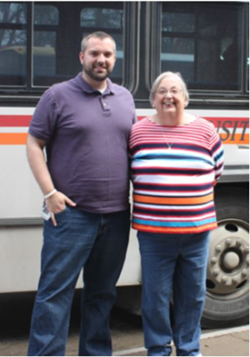
Jeremy and Aunt Nancy
My passion for transportation started at an early age; my aunt Nancy had poor eyesight that barred her from driving, but that did not stop her from living a full life — she passed that life skill along to me. I would meet her downtown during summer breaks for lunch, picking out a book at the library and, of course, ice cream.
Michelle lives downtown and works several blocks away and uses a motorized wheelchair to traverse the city, but in the winter or during construction season, the path of travel is often blocked or unsafe. Michelle uses the phrase “the sidewalks are my roads” when speaking to city leaders about the importance of sidewalks for her to thrive, and if those fail, she is unable to succeed.
Immanuel lives and works along a bus route, but also values social life beyond work. Immanuel has used a wheelchair his entire life, but because of the limited hours of operation for transportation, he often says, “it’s like I am a 30-year-old with a curfew.” The bus does not operate after 10pm and they cannot go to a late movie or stay out late with friends.
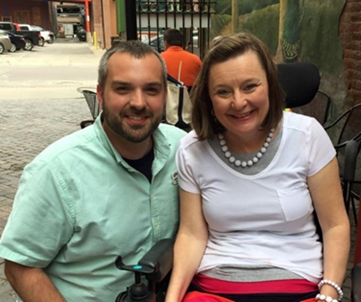
Jeremy and Michelle
These are only a few stories from my 10-plus years working in transportation, but I have a motivation to keep going, nonetheless. People like Michelle and Immanuel, and of course Aunt Nancy, make me want to keep learning and showing up for those who cannot.
Part of my job at Easterseals is sharing ways all of us can make a difference in accessible transportation.
Here are a few actionable items:
- The work we can do starts off with being aware of our surroundings and making sure there is adequate space for everyone to navigate walkways or paths.
- If you notice obstacles blocking a sidewalk, driveway, or building entrance, find the appropriate person to move them.
- If you are a business owner, make sure your signage or furniture is not blocking a path.
- Notice an elevator is out of order? Tell the building staff, even if you don’t need the elevator.
- During snow season, make sure your sidewalks are shoveled.
- Attend town meetings to advocate for safe crosswalks and paths of travel.
Working for an organization like Easterseals has allowed me to put that knowledge into action and continue to create an accessible world for all. Easterseals offers vital resources like customized training and technical expertise on the Americans with Disabilities Act for transportation providers; develops resources to support organizations in their efforts to connect with transportation and mobility services in their community; and identifies organizations in your state, region, or local community that could connect you to the most appropriate transportation services and support the development of coordinated transportation networks.
To make safer, more accessible communities, we must plan transit alongside the disability community. They are the experts on their needs — we can connect with them to advocate and get the attention of government and transit officials. This is and should be a community effort as it benefits all of us to have accessible public transportation options.
To learn more about the Easterseals Transportation Group and what we are doing to create more equitable access to services and settings that everyone should be able to enjoy, visit our website.
Jeremy Johnson-Miller is the Communications Manager for the National Aging and Disability Transportation Center (NADTC) at Easterseals, a federally recognized technical assistance center funded by the Federal Transit Administration, focused on ADA accessibility for older adults and people with disabilities across the country. Jeremy coordinates the release of publications and reports from NADTC, also conducting training and group facilitation for transportation agencies and state DOTs across the country. Prior to joining Easterseals, Jeremy served as Mobility Programs Administrator at Iowa DOT Public Transit Bureau for 6.5 years, providing guidance and oversight of state and federally funded grant programs, also overseeing outreach and collaboration with communities and other state departments within Iowa. Jeremy holds a bachelors in Geography from the University of Iowa and is a Certified Public Manager from Drake University in Des Moines, Iowa.
-
Level Up: Disability Employment in Gaming
Tuesday, April 2, 2024, 11:11 AM
By Grant Stoner As a medium, video games allow us to remain connected. Whether it’s long-distance re…
Read this Post
By Grant Stoner
As a medium, video games allow us to remain connected. Whether it’s long-distance relationships or friendships, or the inability to physically or cognitively access a space, gaming is crucial in creating lifelong memories. And for some individuals, it’s one of the few mediums that anyone can explore, regardless of disability. According to Xbox, approximately 429 million players globally have some form of a disability.
The gaming industry is multifaceted through the opportunities it provides to both consumers and employees. From varying roles in studios, to content creation and media, there are numerous jobs to satisfy an array of interests. For disabled people especially, the capability to work fully remote, as well as create your own position in a massive industry is crucial for accessibility and independence. For this story, we spoke with a disabled streamer, member of the press, and consultant to explore why they work in gaming, the ways in which it could be more accessible, and their hopes for the future of employment for disabled individuals in this industry.
Mollie Evans
Mollie “LittleMoTac” Evans is a content creator and DE&I consultant who regularly streams on platforms like Twitch, YouTube, and TikTok. For Evans, her career in streaming was a direct result of inaccessibility in her previous job. Yet, despite the independence, being a content creator can still be demanding, especially for a disabled individual.
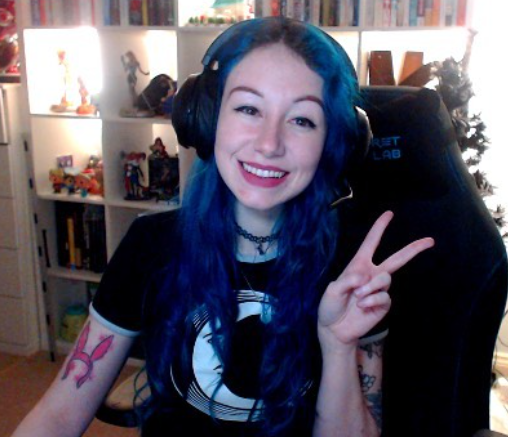 “Streaming is both accessible and not accessible,” Evans said. “The streaming part itself is accessible, in that it allows me to make my own schedule, and I can work it around my disabilities. However, the inaccessible part is the demand for content creators to constantly be networking, attending events and continuously pushing out content. I cannot attend events, and if I can they’re incredible stressful, so all my work networking has basically been done online, which thankfully is becoming a more acceptable side of content creation.”
Aside from the challenges of growing and maintaining connections and an audience, disabled streamers and content creators need to purchase most, if not all their own equipment. Sponsorships and viewers are all dependent on what content you create, how often you go live, and the quality of broadcasts. It’s a career that can be physically, cognitively, and financially demanding. However, it provides unique methods to directly promote views, knowledge, and expertise on topics that each creator intimately understands. And for Evans, that means using streams and videos to educate about the disabled experience.
“Disability, for me, is such an integral part of who I am and my life. I don’t have a choice to hide how it affects me, and so I have been very open about it from very early on in my time streaming and creating content,” she said. “I have always been very open about my symptoms, and how they affect me on the day-to-day, especially as invisible disabilities are still so often disregarded. I feel like it was important for me to be open about it. A lot of my content now focuses on accessibility and disability in gaming, but also about inclusion of marginalized people in gaming in general.”
While streaming can always be more inclusive, especially through sponsored events pertaining to disabled communities, Evans can have a career in games because of her platform.
Antonio Martínez
Editor In Chief and Mobility Editor for Game Accessibility Nexus, Antonio Martínez creates and edits articles pertaining to accessibility and the disabled experience in games. Martínez’ stories help to inform disabled individuals about potential barriers they may experience with games. With a passion for writing, he is hopeful that his stories can educate, and occasionally protect disabled consumers. However, as a disabled member of the press, he regularly encounters his own inaccessible hurdles while trying to produce work for the public.
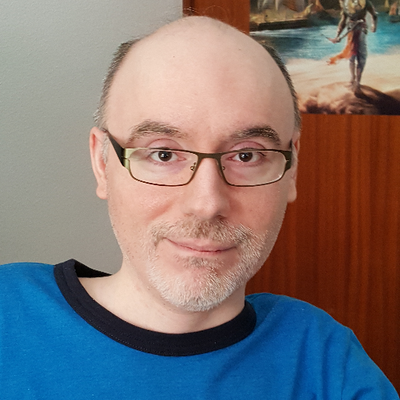 “I must say over the years it has become less and less accessible for me,” Martínez said. “SMA (Spinal Muscular Atrophy) causes strength, endurance and mobility loss as time passes. I can’t use a physical keyboard as I used to, so it’s been years now with an on-screen keyboard. Voice dictation doesn’t work well for me due to my voice being inconsistent, not to mention my accent. In English it can go from totally wrong to acceptable. In Spanish, my native language, it works better.”
Beyond the lack of physical stamina and accessible technology, being a journalist dedicated exclusively to accessibility can be difficult. Despite the increased innovations across most AAA and Indie studios, establishing connections with PR companies and their respective studios is a constant struggle to prove the importance of highlighting accessible information. And when review codes are distributed, Martínez needs to consistently play, write, or edit to provide accurate information. Sometimes, as he notes, this can include stories with “over 4000+ words and that’s draining.” Yet, he is proud of the work he accomplishes, and is hopeful that more stories and more exposure will lead to opportunities for disabled journalists.
“I hope we get the chance to write in more mainstream media, about games, accessibility, disability, or any subject,” he said. “Disability is always part of our lives, and nobody is better than us to speak about things that we experience daily, but we are more than that. Limiting us to certain subjects is not fair. We have the same interests and hobbies as anyone else, disabled or not. Sports, history, science, entertainment, social issues, you name it.”
As accessibility knowledge and implementation continues to grow in gaming, journalists are desperately needed to cover these important topics. Martínez and others are opening career opportunities with every story.
Paul Lane
Accessibility consultant, Paul Lane has credits in some of the most accessible AAA titles. From The Last of Us, to Marvel’s Spider-Man 2, Lane’s career in consulting is only possible because of his lived experience as a physically disabled individual.
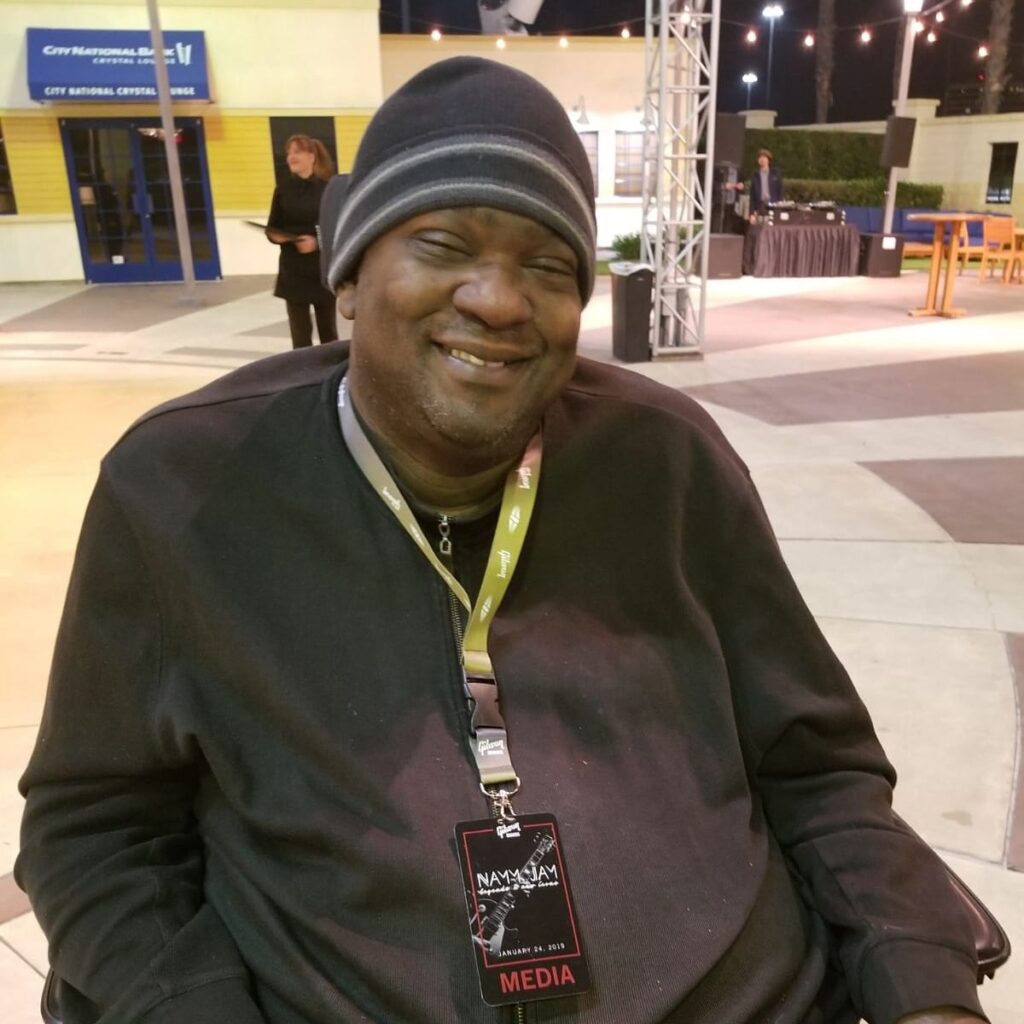 “What drew me to consulting was the opportunity to leverage my unique perspective as both an able-bodied and disabled gamer to improve the gaming experience for others,” Lane said. “I can share the frustrations I’ve faced as a disabled gamer and use that knowledge to advocate for better accessibility features. Companies and studios that I work with go the extra mile to make sure I have everything I need to succeed.”
As his career evolved, Lane was sought by studios to provide his unique expertise to accessibility. And as accessibility grew in popularity, particularly in gaming, other tech companies took notice, offering Lane roles to help make their products and businesses accessible. As the world becomes increasingly aware of accessibility and disabled individuals, Lane is hopeful more accessible consulting opportunities will arise for disabled people, especially in gaming.
“There is a growing awareness of disability rights and inclusion, which is creating a greater demand for accessibility consulting services,” he said. “I hope to see a future where disabled consultants have equal opportunities to succeed in the consulting industry. This includes having access to training, mentorship, and leadership opportunities.”
Streaming, media, and consultancy are only some of the opportunities that disabled individuals can explore for work in gaming. However, even with the increased awareness, accessibility and disabled inclusion still requires constant learning and understanding. While it’s great to see more disabled people enter the workforce, better resources, tools, and assistants are required before we can truly claim gaming is an inclusive industry.
Grant Stoner is a disabled journalist covering accessibility and the disabled perspective in the gaming industry. When not writing, he is usually screaming about Pokémon or his cat, Goomba, on social media.

-
Beyond Content Notices: Mental Health Accessibility in Gaming
Wednesday, March 13, 2024, 4:54 PM
Editor’s Note: This blog contains mentions of suicide, self-harm, and panic attacks. By Coty C…
Read this PostEditor’s Note: This blog contains mentions of suicide, self-harm, and panic attacks.
By Coty Craven
Imagine this scenario:
You’re enduring a depressive episode. You’re isolated, you’re no good at asking for help, or maybe mental health care is inaccessible to you. The current state of the world is not helping things and suicidal ideation remains stuck at the back of your mind because nothing is showing any signs of getting better. You’re longing for a break from what you’re feeling and video games have always provided you with that, so you fire up the latest game you’ve just downloaded.
Instead of that desperately needed break, the first thing you’re met with is a cutscene in which a young woman is willing herself to commit suicide. Now the one place you can often find an escape is mirroring your reality and you had no idea that would happen when you bought the game. What goes through your mind?
Games are a powerful medium. Some of the most important relationships in my life began because of a shared love of them. I’ve used games as a tool to navigate grief, loneliness, and depression. I’ve cried during the death of a character I’ve spent dozens of hours with in a fictional world and agonized over who to pursue romantic relationships with in games that feature them. Games are a unique medium in that they put us in control of the characters and events in the way books, TV, and movies cannot. In games, we walk into the burning buildings, carry out acts of war, and face the deaths of loved ones. Given games’ unique nature, we can be impacted by them in unique ways.
The necessity – and the dire state – of mental health accessibility in games was recently brought into sharp focus for me a few months ago during what I’d intended to be a relaxing gaming session after my weekly therapy appointment. Undergoing EMDR (eye movement desensitization and reprocessing) therapy for a fire-related trauma, my session had been difficult with time spent recalling and focusing on the memory of the trauma I was processing. My therapist prescribed self-care and being gentle with myself as my homework that day and asked me to avoid triggers related to the work we were doing. My method of choice for self-care? Time spent continuing my fifth play through of one of my favorite games, The Witcher 3.
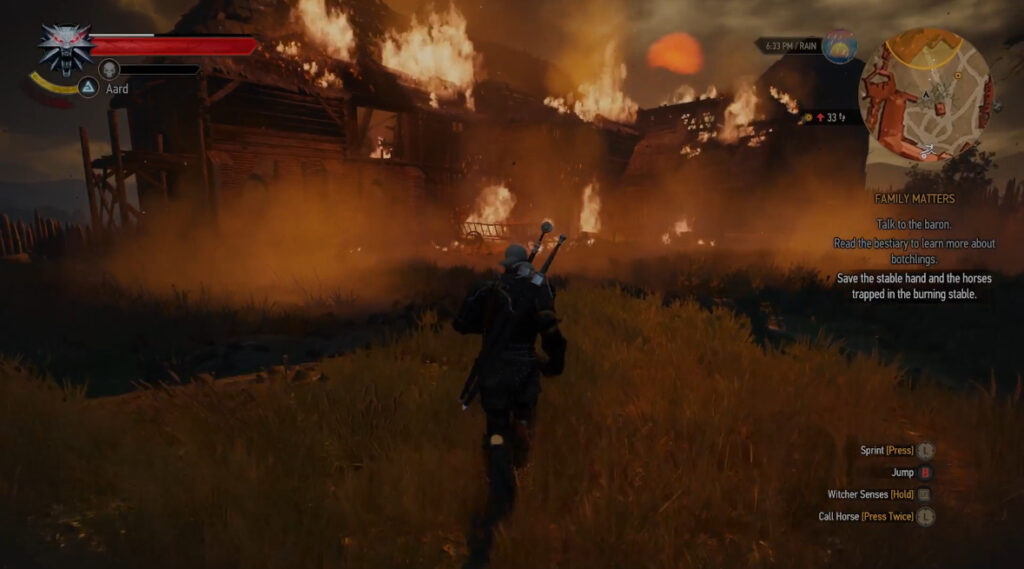
Screenshot from The Witcher 3.
Still on edge from EMDR, I launched the game and snuggled up on the couch with my dogs. Continuing the main quest line, I led Geralt to Crow’s Perch, the Bloody Baron’s hold in Velen. Geralt ran toward the castle where alarm bells were ringing and as he approached, the unmistakable roar of fire filled the air. I’ve played this game five times and knew precisely what to do. Run to the burning barn, climb the ladder, free the horses, unblock the barn door, and save the trapped man. But this time it was different. This time, the roar of flames was fresh in my mind, the urgency of escape and safety my only focus. My chest became tight and my vision narrowed. I could feel my heartbeat in my teeth and the metallic taste of adrenaline filled my mouth. Before I knew it, I, too, was surrounded by flames and choking on smoke.
From the safety of my home, this quest in a game I’ve played countless times brought on a panic attack. This usually mundane quest didn’t even cross my mind as being potentially triggering when I sat down to enjoy the game. I later asked my therapist why this time, what had changed since the first five playthroughs? She explained that my brain was essentially more primed for panic from things related to the trauma we were processing together because the event and all the emotions related to it were fresh and top of mind because we were revisiting them through EMDR. She also explained that it wouldn’t always be like that, which was a relief because I just wanted to enjoy time with Geralt.
According to the National Alliance on Mental Illness (NAMI) one in five adults and one in six youth in the US experience mental illness every year. Among them are PTSD, depression, and anxiety. With 65% of the US population playing video games (ESA, 2023) it’s safe to say that far more than just me stands to have their mental health impacted by video game content.
The games industry has made massive strides in accessibility in recent years with the launches of games like Forza Motorsport and Stories of Blossom and updates to games like Marvel’s Spider-Man 2 which brought audio description and full closed captions among many other improvements. Though we still have a ways to go, games can be enjoyed by more people than ever before. There’s one area in which we’re still regularly failing in accessibility though – mental health. While we are seeing many games addressing things like thalassophobia (the fear of deep water) and arachnophobia, there’s still little being done to aid gamers with things like PTSD, anxiety, and depression beyond the general “this game contains depictions of…” warning many games display upon launching them. If your mental health could be impacted or even harmed by content such as structure fires, racist violence, or the death of a child, there’s not really a standard in place to support you in making your gaming choices. So what’s a person to do if like me, they’ve been given instructions to avoid triggering topics and have no way to tell what they may experience in a game?

Chicory: A Colorful Tale allows gamers to skip certain content.
In the Xbox Accessibility Guidelines, Microsoft offers guidance on how to support players wanting to protect their mental health. They advise providing players with information on game and story content and tools to skip or avoid potentially triggering content. Recently, we’ve seen more games trying to address mental health. Horizon Forbidden West patched in a thalassophobia mode which lessens the deep water effect for underwater areas. Lethal Company has an arachnophobia mode which turns all in-game spiders into the word “Spider.” The Dead Space Remake has a robust content warning system that allows players to both be warned when triggering content is coming up and skip it entirely, similar to that of Chicory: A Colorful Tale.
So many of us play games both to connect and escape and nothing can wrench someone out of that joyful place quite like being unknowingly confronted with something traumatic or triggering. As conversations on mental health become more and more commonplace and accepted, I hope that games can catch up to meet the needs of those of us who love the medium and want to protect our peace by building better and more thoughtful content warning systems, so we can enjoy our hobby while also caring for ourselves.
Coty Craven is a game accessibility and inclusion expert and the founder of game accessibility sites Can I Play That and the Game Content Triggers Database. He lives in Michigan with his dogs and works as a project manager at Descriptive Video Works. He loves exploring fictional worlds in games and exploring the outside world on hikes.
-
Love is Advocating for Accessible Public Transit
Wednesday, February 28, 2024, 1:50 PM
By Mike Ervin Every once in a while, I have what I call a “green-bus nightmare”: I’m out…
Read this Post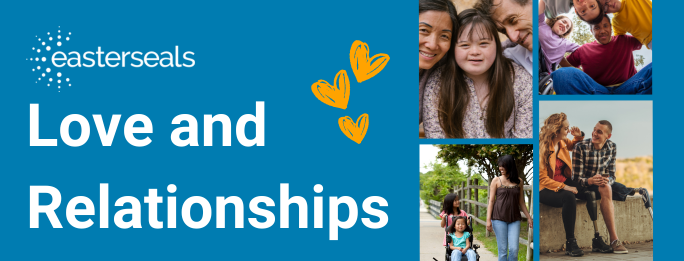
By Mike Ervin
Every once in a while, I have what I call a “green-bus nightmare”: I’m out and about and all of a sudden, a public transit bus goes by and it’s painted green and there are three big steps inside the front door — so it’s inaccessible as hell for someone who uses a wheelchair, like me.
The public transit buses in Chicago are much different today. They’re painted white, red and blue and inside the front door is a ramp that flips out onto the curb when the driver flips a switch so a wheelchair user can roll right in.
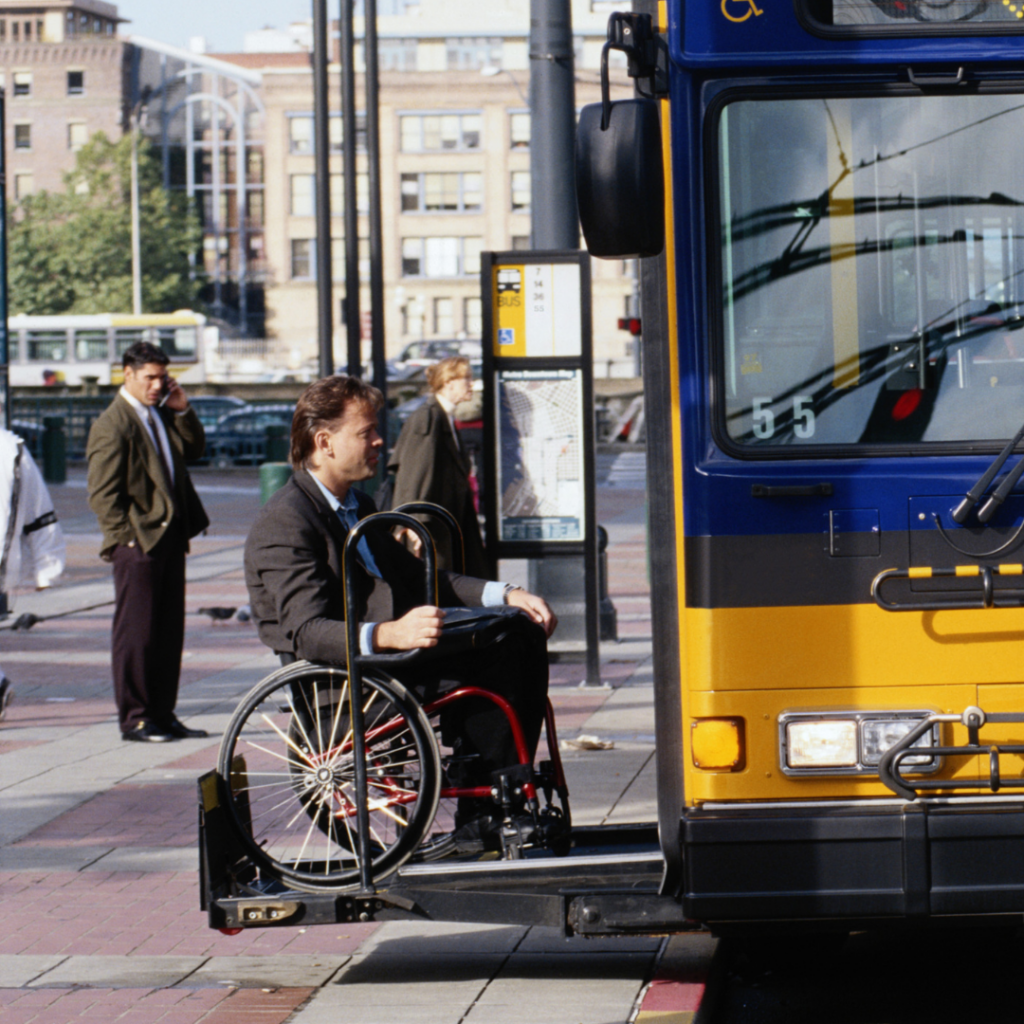 So in my nightmare, I’m mad as a hornet when I see the green bus go by. I say to myself, “What the hell is this? I thought those inaccessible buses were long gone!”
And then I wake up and realize it was just a bad dream.
But that’s how things were in Chicago prior to 1990, when the Americans with Disabilities Act was signed into law. The ADA requires that all public transit buses put into service must be wheelchair accessible. But without any federal mandate like that, there wasn’t a single accessible bus in the street fleet of the Chicago Transit Authority (CTA). You can imagine how frustrating that was for anyone who didn’t have the physical ability to board CTA buses. It was as if the CTA system didn’t even exist. To give people today some context on that situation, I ask people to imagine that the entire CTA system is suddenly and indefinitely shut down! How would that impact their lives? How would they get around? How isolated, abandoned and angry would they feel?
This is why I became an activist. I graduated from college in 1978 and I was living with my mother and sister in the house in which I was raised. The house was on a main street and a green CTA bus passed by several times a day. Come about 1983 or so, I began hearing word-of-mouth tales from other disabled folks about a group of disabled activists in Denver, Colorado who called themselves American Disabled for Accessible Public Transportation (ADAPT). There were public transit buses with wheelchair lifts in operation in Denver mostly because ADAPT organized aggressive protests where people in wheelchairs did things like surround inaccessible buses that were on the street waiting at intersections. The protesters wouldn’t move for several hours so the bus couldn’t move either. And sometimes ADAPTers even got arrested for protesting like that.
Right around that same time, a man from Chicago named Kent Jones, who used a wheelchair, went to Denver to attend an ADAPT organizing training for people from around the country. When he returned, he called a meeting for the purpose of organizing a local chapter of ADAPT.
I attended the meeting because I was mad. Hearing about the exploits of Denver ADAPT forever changed my perspective on those green buses that passed my house daily. I now saw them as an essential public facility as much as city hall or the library. Thus, I was mad at myself that I wasn’t as mad a lot sooner as I was now about what the inaccessibility of that public facility meant. It meant that if I wanted to go somewhere, I either had to spend a lot of money purchasing a vehicle and adapting it to be accessible, spend a lot of money hiring an accessible vehicle such as a med-i-car, to take me there or just forget about it and not go. But if my neighbors who weren’t wheelchair users wanted to go somewhere, all they had to do was wait at the bus stop. And that meant that those who designed the CTA thought that disabled people like me never could or should use it.
The ADAPT principle of direct-action protest says that you take your demands directly to the person or entity that has the power to meet your demands. In our case, that was the seven-member CTA board of directors. Four are appointed by the mayor of Chicago and three are appointed by the governor of Illinois.
So for our first action, we attended one of their monthly public board meetings where all of their decisions are made. We presented our demands and the first one was that every bus that they ordered from now on must be equipped with a wheelchair lift. We disrupted the meeting with chanting and noisemakers to demonstrate our resolve.
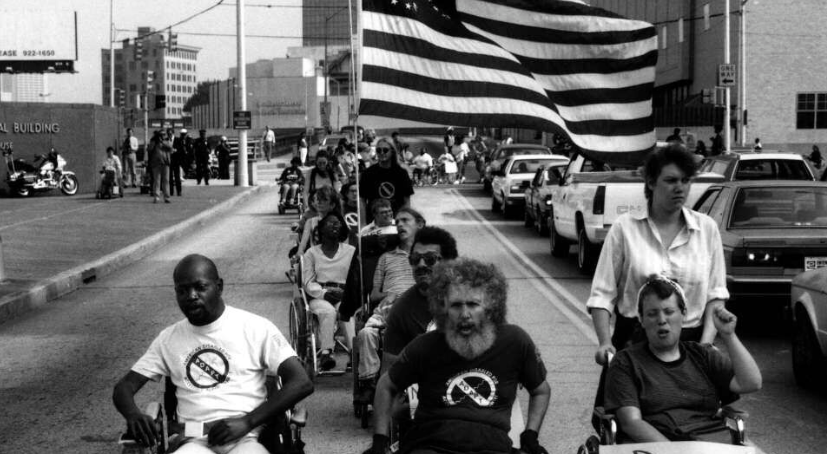
ADAPT protesters during the lead up to the passage of the ADA.
But the CTA board voted unanimously not to include lifts on any new buses. So we continued disrupting their meetings, blocking traffic in our wheelchairs so buses couldn’t get through and staging similarly aggressive but nonviolent protests. Sometimes we got arrested. We also pursued a discrimination lawsuit against the CTA with the help of pro-bono lawyers.
The lawsuit eventually went to trial and in January of 1988, the judge who presided over the trial ruled that CTA illegally discriminated against the disabled under state law by not having any mainline accessibility. Shortly after that, the CTA board, which now had a member who was a wheelchair user who was an ardent ADAPT supporter and had been appointed by Mayor Hafold Washington, voted 6-1 to equip future buses with wheelchair lifts.
And shortly after that, the ADA was signed.
When I reflect on all this, I feel our campaign to make public transit accessible was motivated by love — love for ourselves as people with disabilities and love for the disabled community. It’s true that we simply wanted more freedom to travel independently. But there was much more to it than that. It was so important to us because we were insulted that we were being denied a basic freedom just because we were disabled. We loved and respected ourselves and each other too much to accept the notion that we deserved and should settle for less because of our disabilities. We deserved to be accommodated and included and we wouldn’t take no for an answer.
We also hoped that bringing about this change would pay dividends far into the future, not just by making it easier for further generators of disabled people to get from one place to another but by lessening the debilitating sting of disability stigma, which is so often used to rationalize exclusion. The more we are a natural element of the daily routines of people whose lives aren’t affected by disability, the less they will be inclined to believe that we don’t deserve to be among them. And hopefully that has made and will make it easier for others to break down the many other walls of disability segregation.
A famous quote by Che Guevara is, “the true revolutionary is guided by a great feeling of love. It is impossible to think of a genuine revolutionary lacking this quality.”
Regardless of one’s opinion of Che Guevara, he was sure right about that.
Mike Ervin is a writer and disability-rights activist living in Chicago. He is a columnist for the Progressive magazine and writes the blog Smart Ass Cripple.
-
Beyond Compliance: Fostering Accessibility, Inclusion, and Cultural Humility
Monday, February 19, 2024, 1:41 PMBeyond Compliance: Fostering Accessibility, Inclusion, and Cultural Humility
Monday, February 19, 2024, 1:41 PM
By Andrea Jennings Community Love: Cultural Humility and Accessible Solutions In the tapestry of hu…
Read this PostBy Andrea Jennings
Community Love: Cultural Humility and Accessible Solutions
In the tapestry of human experience, accessibility is intertwined with love, shaping the fabric of a compassionate and inclusive society. One example is disability justice advocate Mia Mingus, who coined the term “access intimacy,” which describes the feeling when someone who is not necessarily from the disabled community understands your access needs.
As February unfolds with the celebration of Valentine’s Day, it’s an opportune time to reflect on how we all share love, express love, and foster accessibility, extending the significance beyond mere observance to embody a lifestyle of inclusion, cultural humility, and genuine care.
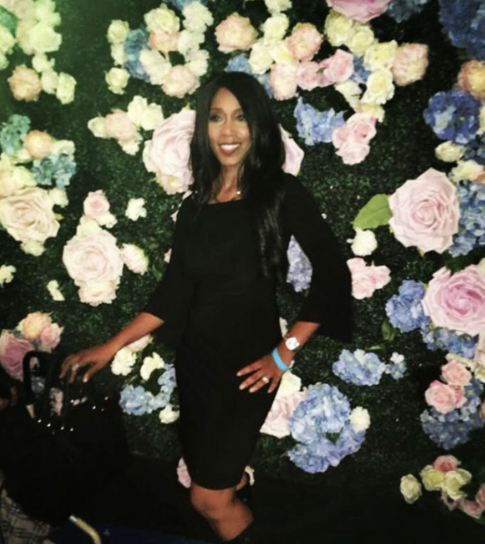 From childhood, I was fortunate to learn the true essence of love from my mother, particularly during Valentine’s Day. It wasn’t just about exchanging chocolates and flowers and embodying Agape love—selfless, unconditional, and inclusive. My mother’s teachings transcended romantic notions, emphasizing the importance of spreading love beyond our immediate circles. Together, we embarked on a tradition of making Valentine’s cards for friends and everyone in my class, ensuring no one felt left out. This act of kindness extended to our family members, neighbors, and anyone who crossed our path. Through these gestures, my mother instilled in me the belief that love knows no bounds and should be shared generously with all.
Reflecting on my upbringing, I realize the parallels between love, accessibility, and cultural humility. Accessibility is not merely a privilege or favor but a fundamental aspect of humanity. Just as we wouldn’t frame love as a favor granted to select individuals, accessibility should not be viewed as something we should be grateful for. It is a basic human need and a right for all individuals.
Fostering accessibility is a manifestation of love in action. It removes physical, social, and systemic barriers that hinder full societal participation. Whether implementing wheelchair ramps, providing signage, or offering assistive technologies, accessibility ensures everyone has equity and equal opportunities to engage, participate, and succeed.
Cultural humility serves as a crucial aspect of fostering accessibility and inclusion. It empowers us to recognize our own biases and privileges while actively seeking to respect the experiences of others. By approaching interactions with humility, openness, and a willingness to learn, we create spaces where diversity is celebrated and everyone feels valued and included.
Romantic Love: Challenging and Removing Microaggressions and Assumptions
In addition to advocating for ourselves, Disabled individuals often face micro aggressive comments and assumptions when it comes to romantic relationships. Society’s narrow perceptions of disability can lead to intrusive questions and misguided beliefs about the nature of our relationships.
Microaggressions can manifest in various forms, such as asking personal questions that would not be directed at non-disabled individuals or making assumptions about the dynamics of our relationships based on our disabilities. For example, comments like “you’re so lucky to have a partner despite your disability” overlook the possibility that both partners contribute equally to the relationship or that the non-disabled partner may also benefit from the relationship.

Flower photography by Andrea
These microaggressions not only perpetuate harmful stereotypes but also undermine the autonomy and agency of disabled individuals in romantic relationships. Instead of being seen as capable of experiencing love and intimacy on their own terms, disabled individuals are often objectified or pitied, reinforcing the notion of their otherness.
Challenging these microaggressions in our community and the media requires a commitment to dismantling ableism and fostering genuine inclusivity in all aspects of society. Changing those perceptions is one way we shift paradigms.
Self-Love: Being Kind To Ourselves While Advocating
Advocating for ourselves in a world that often overlooks or dismisses our needs can be exhausting. Not only do we face external barriers to accessibility, but we also frequently find ourselves in the position of having to justify our disabilities and access requirements. This constant need to explain and defend our existence can affect our mental and emotional well-being.
While advocating for our rights and pushing against the status quo, it’s crucial to remember the importance of self-love. This means being kind and compassionate to ourselves. Self-love entails acknowledging our worthiness and deservingness of respect and accommodation without needing to justify or apologize for our disabilities.
While in college, I asked for a specific accommodation, and that instructor replied, “oh yes, I know you want this to be easy-peasy.” Not only was this comment unnecessary, but it was condescending in nature and an example of microaggression that I often encountered. After these constant assumptions, it is important to remind ourselves of our worth.
 Embracing self-love while advocating for ourselves is an act of self-preservation and a radical resistance against ableism and discrimination. It allows us to reclaim our narratives and assert our agency in spaces that often seek to marginalize us and not recognize our autonomy. Advocating for accessibility and recognizing our independence becomes pivotal in this context.
Self-love also involves setting boundaries and prioritizing our well-being. It means recognizing when to rest and recharge and not feeling guilty for prioritizing self-care.
Integrating the understanding of the spoon theory offers valuable insight into managing energy levels for those with chronic illnesses or disabilities, reinforcing the importance of self-care and advocating for our well-being. Within this framework, acknowledging the nature of energy reserves and learning to pace activities enables individuals to prioritize their well-being and cultivate a sustainable approach to self-care.
Moreover, self-love empowers us to challenge internalized ableism and embrace our disabilities as integral parts of our identities. Instead of viewing our disabilities as something we need to change, we can celebrate them as unique aspects of who we are and understand it is the barriers that need to change. This allows us to embrace our authenticity and cultivate a sense of empowerment and pride in ourselves.
In conclusion, prioritizing accessibility and cultivating love in various spheres — community love, romantic love, and self-love — is vital for fostering inclusivity and empowerment. By collectively prioritizing accessibility, challenging microaggressions, and promoting nurturing self-compassion, we construct a world where every individual’s worth and uniqueness are celebrated.
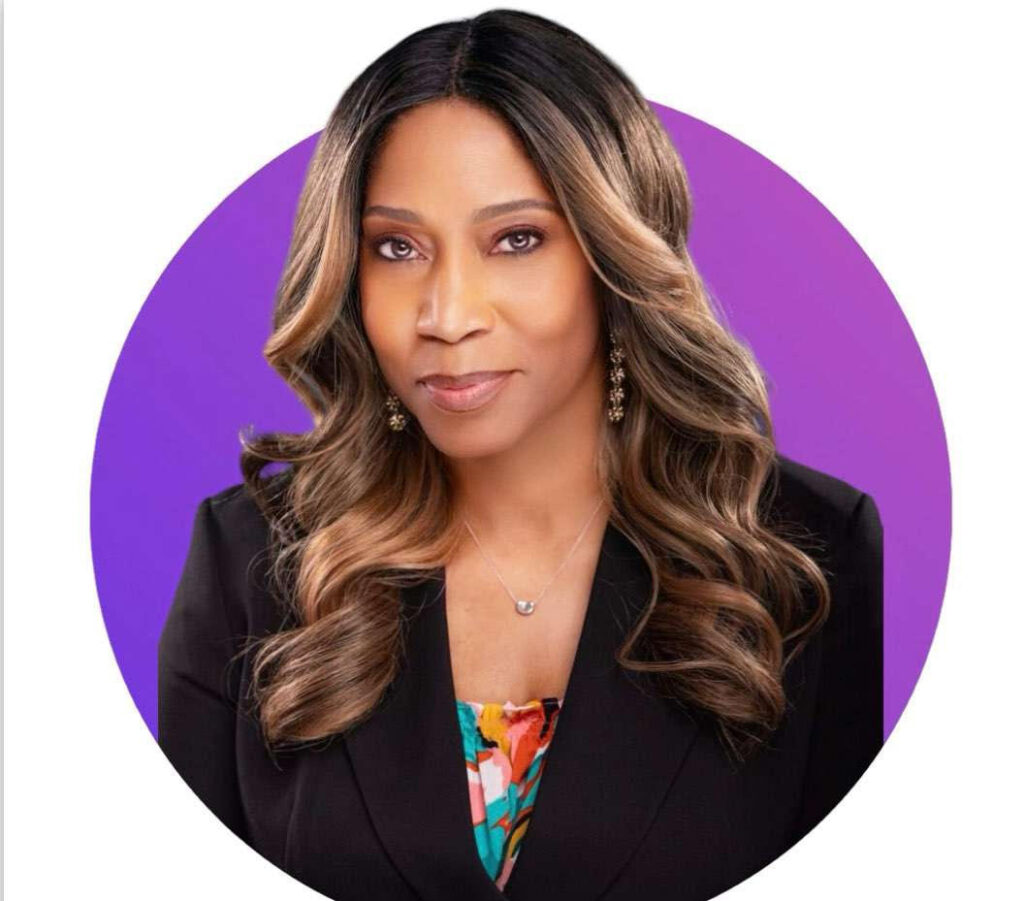 Andrea Jennings, M.Mus., is a Disability & Accessibility Strategist, Actress, and filmmaker passionate about music, law, and entertainment. Her journey led to creating Shifting Creative Paradigms – Leveling The Playing Field® Multi-Media Production Co., advocating for social justice through Disability culture, film, music, and art. Her work has graced prestigious platforms like Park Avenue Armory, The Metropolitan Museum of Art, and Rutgers University. Her work is also recognized in Forbes, Billboard Magazine, The Atlantic Magazine, The Hollywood Reporter, and The New York Times.